
Crisis and Collectivity: Cartographies of Contemporary Transpacific Art
My project seeks to map a transpacific cartography of art practices that are critically engaged with the legacies of—and confluence between—Japanese and US imperialism in the Pacific.
While there have been numerous studies on the histories and contested memories of imperialism and nationalism in the postwar Asia Pacific region, contemporary art movements that have more recently emerged from the diasporic legacies of these entangled histories have yet to be adequately explored. My dissertation posits that three to four generations after the so-called “end” of the Asia Pacific war, artists scattered across the Pacific but connected by mutual histories of colonization and military occupation are actively engaging in collective critique of imperial power in the region. These artists have typically been studied separately, severed by national art history canons. My dissertation challenges this approach, intervening in the fields of Art History and Asian Studies to instead emphasize the interconnectedness of political art practices in locales including Japan, the US, Okinawa, Hawai’i, and Guam. My aim is to move away from nation-based structures of identity to more unconventional modes of belonging that reflect transpacific conditions and histories. I instead identify artist trajectories and patterns based on shared thematic engagements, rather than chronology or place.

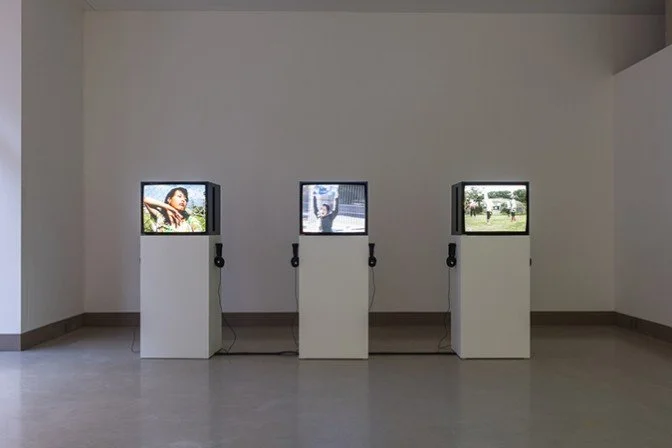
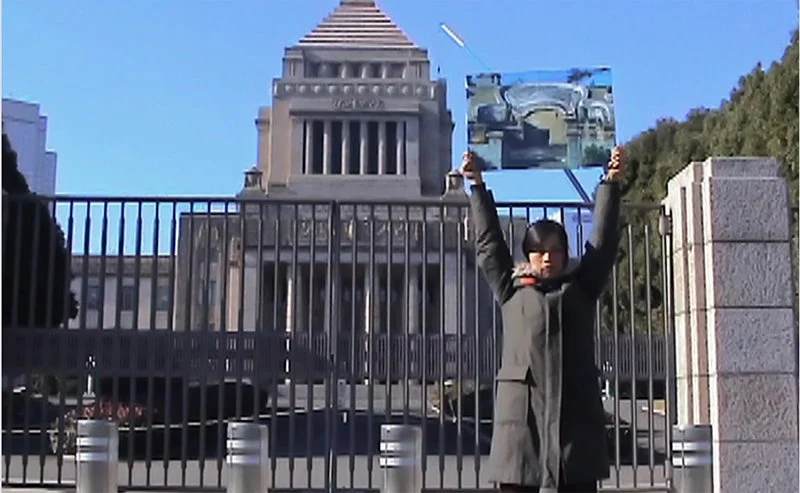
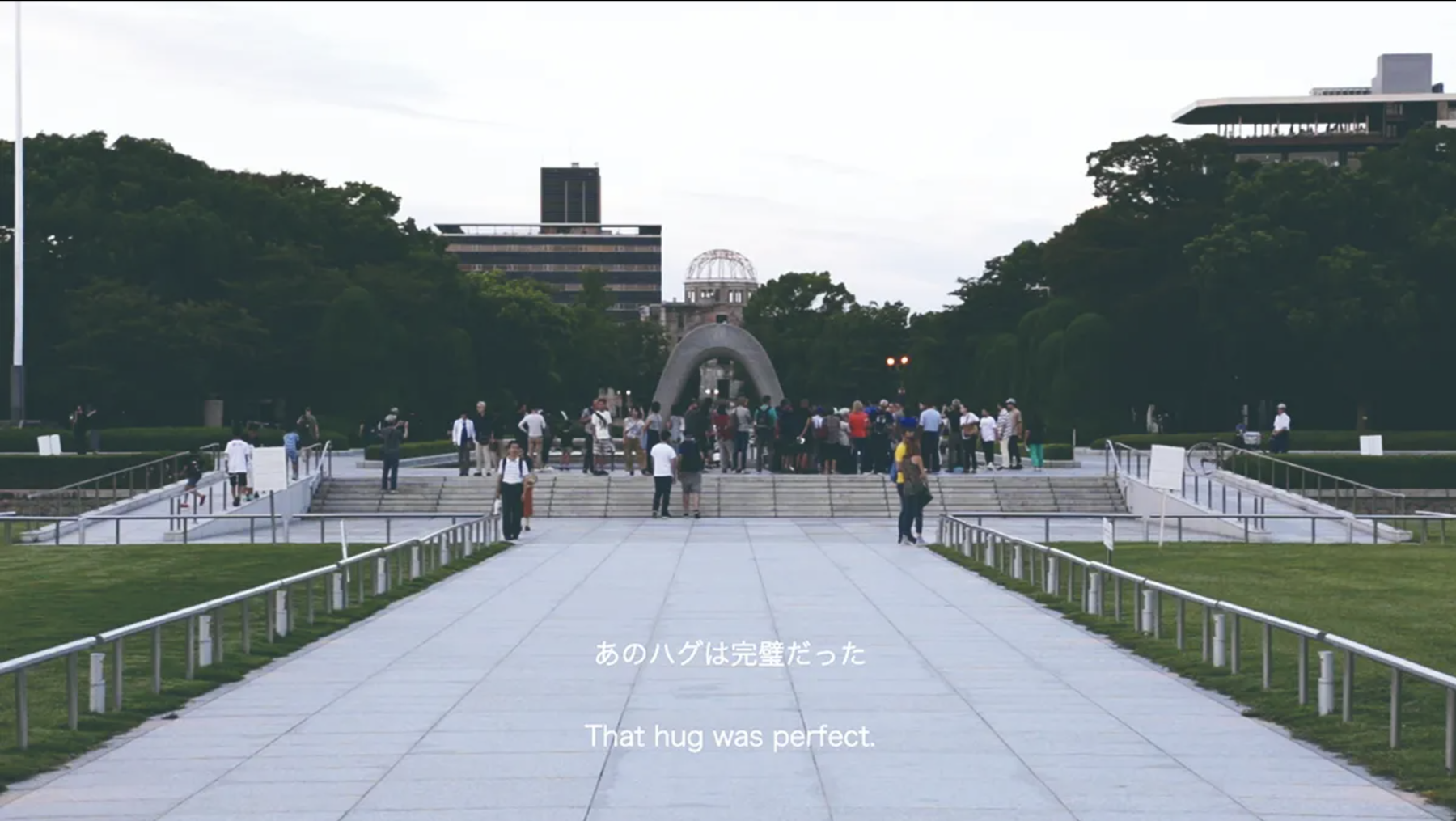
Two primary questions drive this project:
How can seemingly disparate artistic engagements be recontextualized into mutual themes of transpacific resistance?
How does such recontextualization disrupt traditional socio-political categories and dichotomies of national identity, and suggest alternative conceptions of collectivity?
By identifying contemporary art practices born of linked imperial histories and re-mapping them together, my dissertation refuses national boundaries, providing a critical survey of a robust and interconnected network of artistic resistance rooted in the mutual histories of the Pacific.
CHAPTER OUTLINE:
-
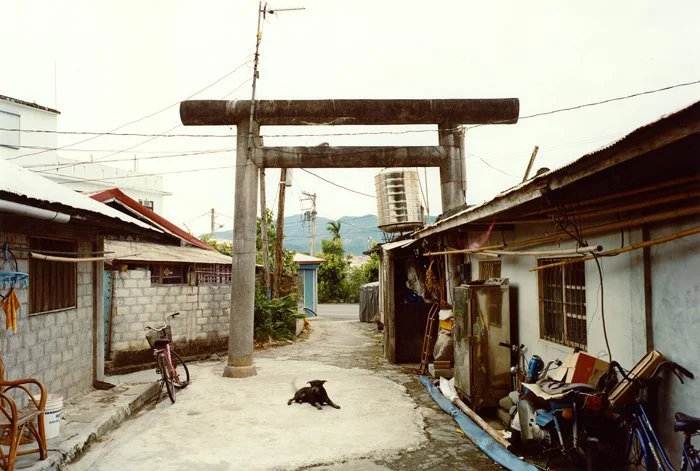
Case study of Shitamichi Motoyuki’s work provides a prime example of mapmaking as an artistic approach in a transpacific context, as well as a succinct social and art historical overview to Japanese colonial history. This chapter sets the scene and provides background necessary for the overall dissertation—introduction to research questions/aims, theoretical introduction, and lay of the field.
Artist: Shitamichi Motoyuki
Theory: Jacques Ranciére, Takeuchi Yoshimi, Choi Jinseok
-
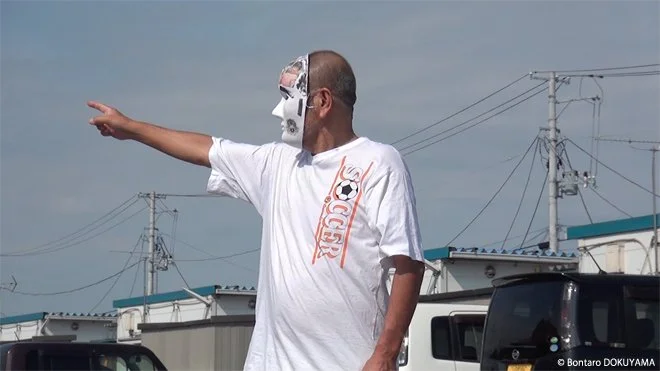
Three Japanese artists starting with brazenly critical work about the Fukushima nuclear crisis which leads them to respectively consider the continued occupation of Okinawa.
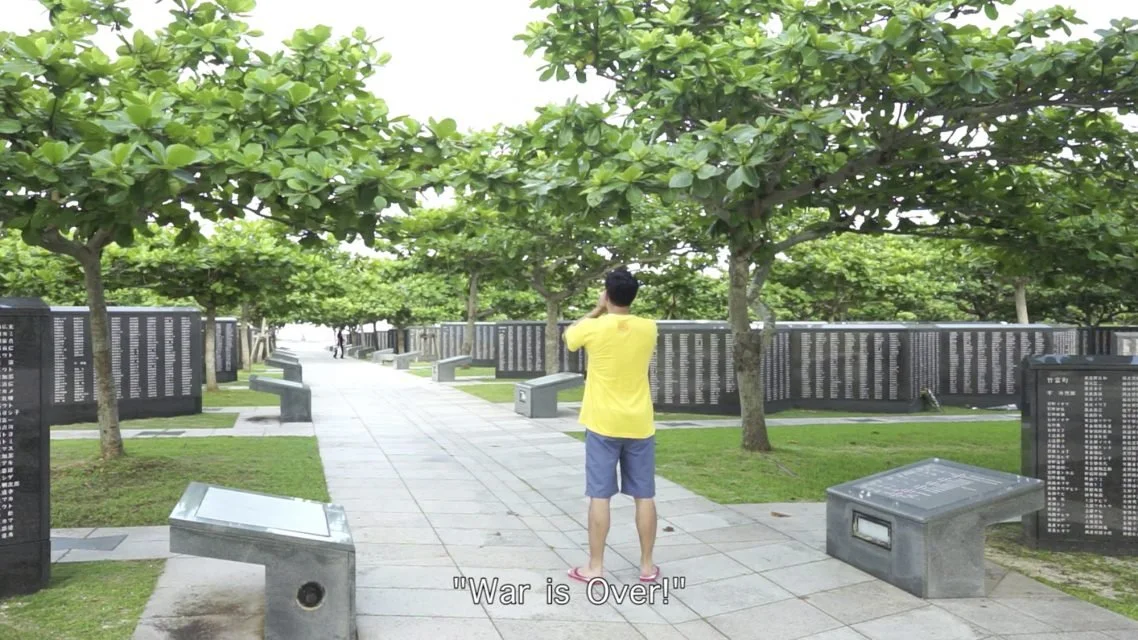
The 2011 Great East Japan Earthquake led to a wave of socially engaged artists motivated by governmental critique in unprecedented ways. An artistic trajectory of mainland Japanese artists starting with truths uncovered during the Fukushima nuclear disaster tmoving owards a curiosity about Japan’s long-censored colonial history, with a focus on Okinawa, which also has implications of nuclear radiation as fallout from longterm American military occupation in the region. The question of whether WW2 actually ended comes to fore in their work.
Theory: Takeuchi Yoshimi (竹内 好), Takahashi Tetusuya (高橋 哲哉)
Artists: Dokuyama Bontaro, Hattori Ayano, Kyun-Chome
-
Three artists create work that explores the overlapping, mutual structures of militarism and tourism.
Okinawa and Hawai’i are explored as internal, transpacific colonies in which the visualization of the locale as a tourist destination distracts from the violence of US military occupation of once independent kingdoms—Ryukyu and Hawai’i. The city of Hiroshima is also explored as a case study in which militarization is hidden under the highly marketed rebranding of Peace Tourism.
Theory: Teresia Teaiwa, Julian Aguon
Artists: Yamashiro Chikako, Tiare Ribeaux, Taro Furukata
-
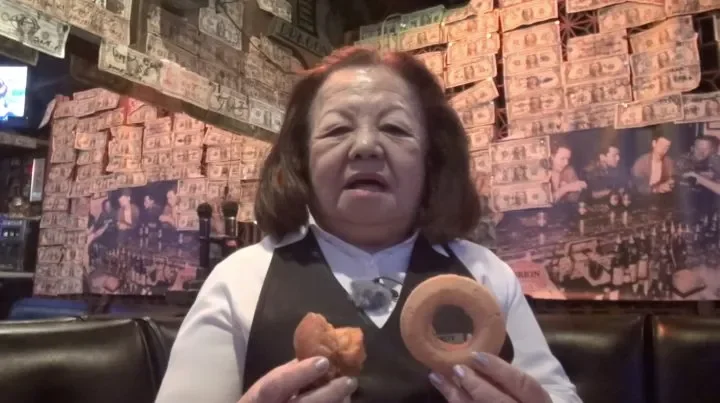
Three artists using various media to document scenes and stories from the present day as a form of “live archiving.”
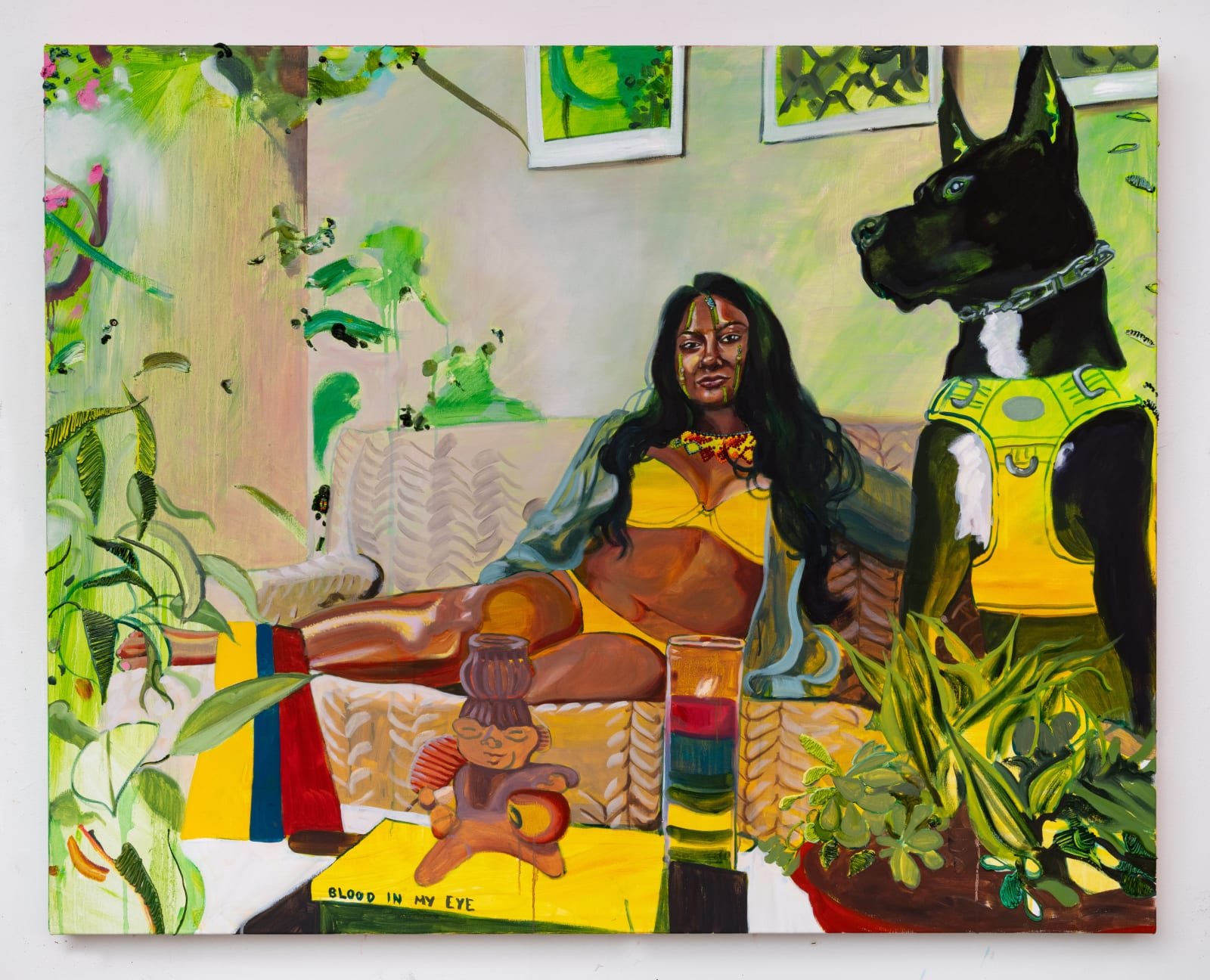
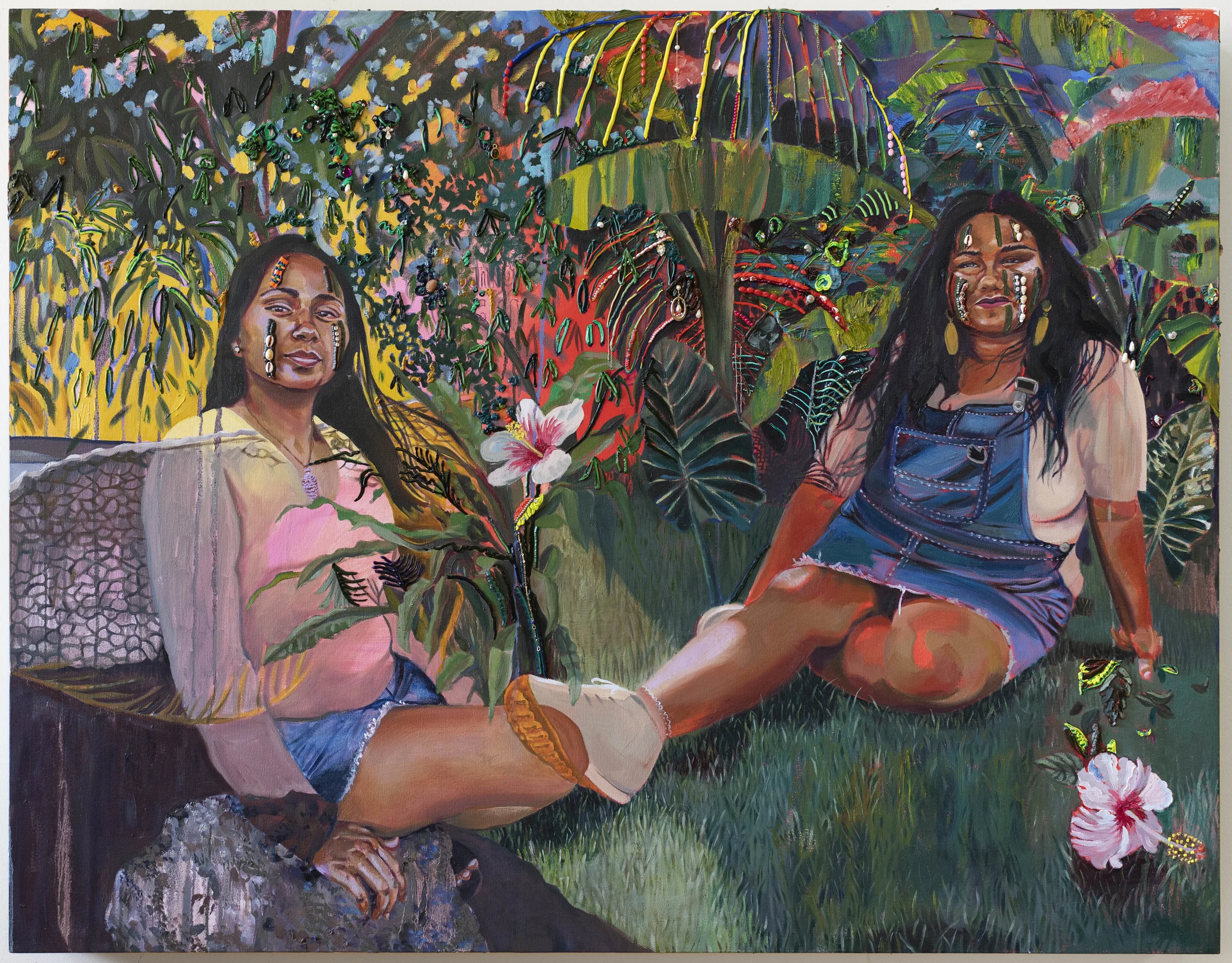
Gisela McDaniel: painted portraits with oral testimonies of women from Guam
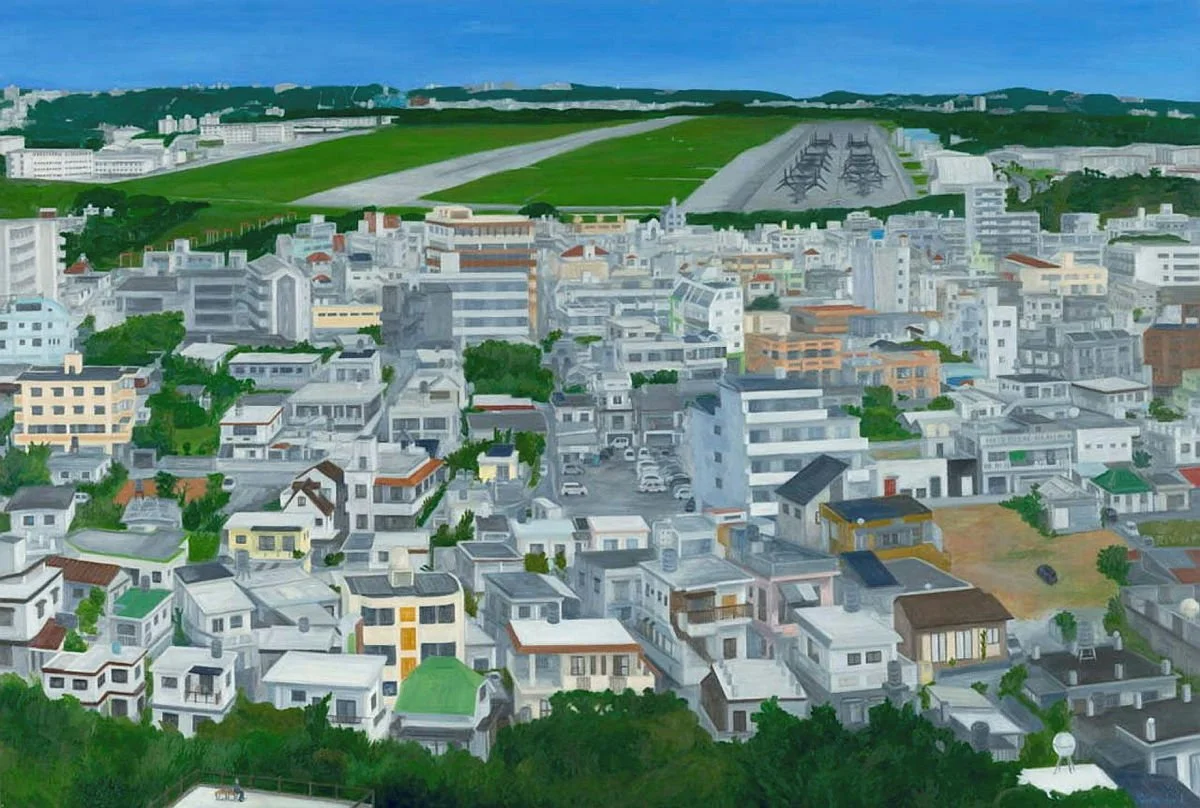
Ishigaki Katsuko: landscape paintings of areas in Okinawa where military construction projects continueTheory: TBD
Artists: Gisela McDaniel, Ishigaki Katsuko (Shitamichi Motoyuki?)
-
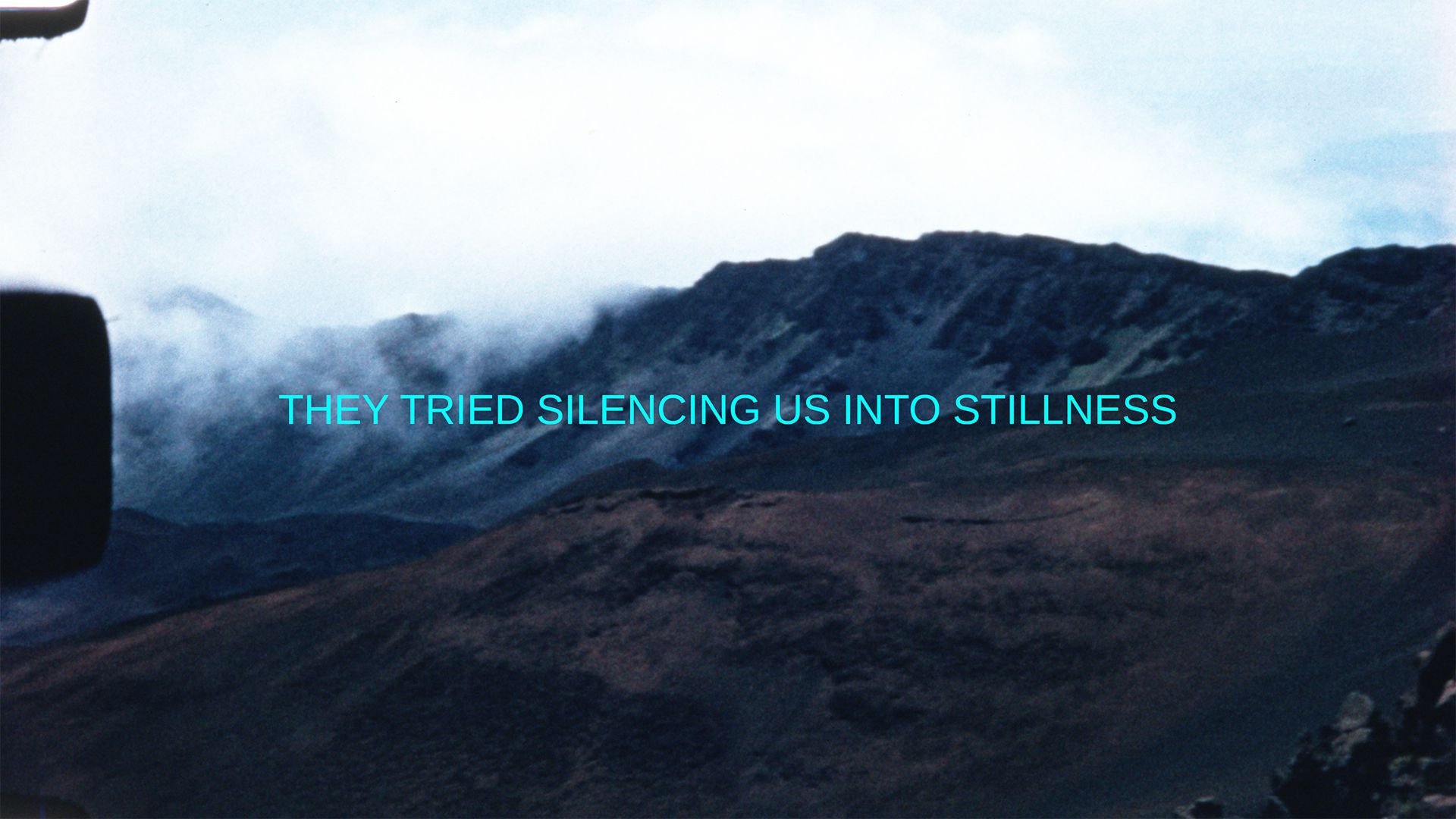
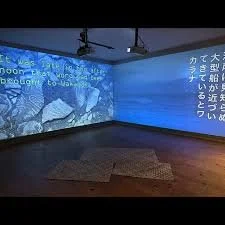
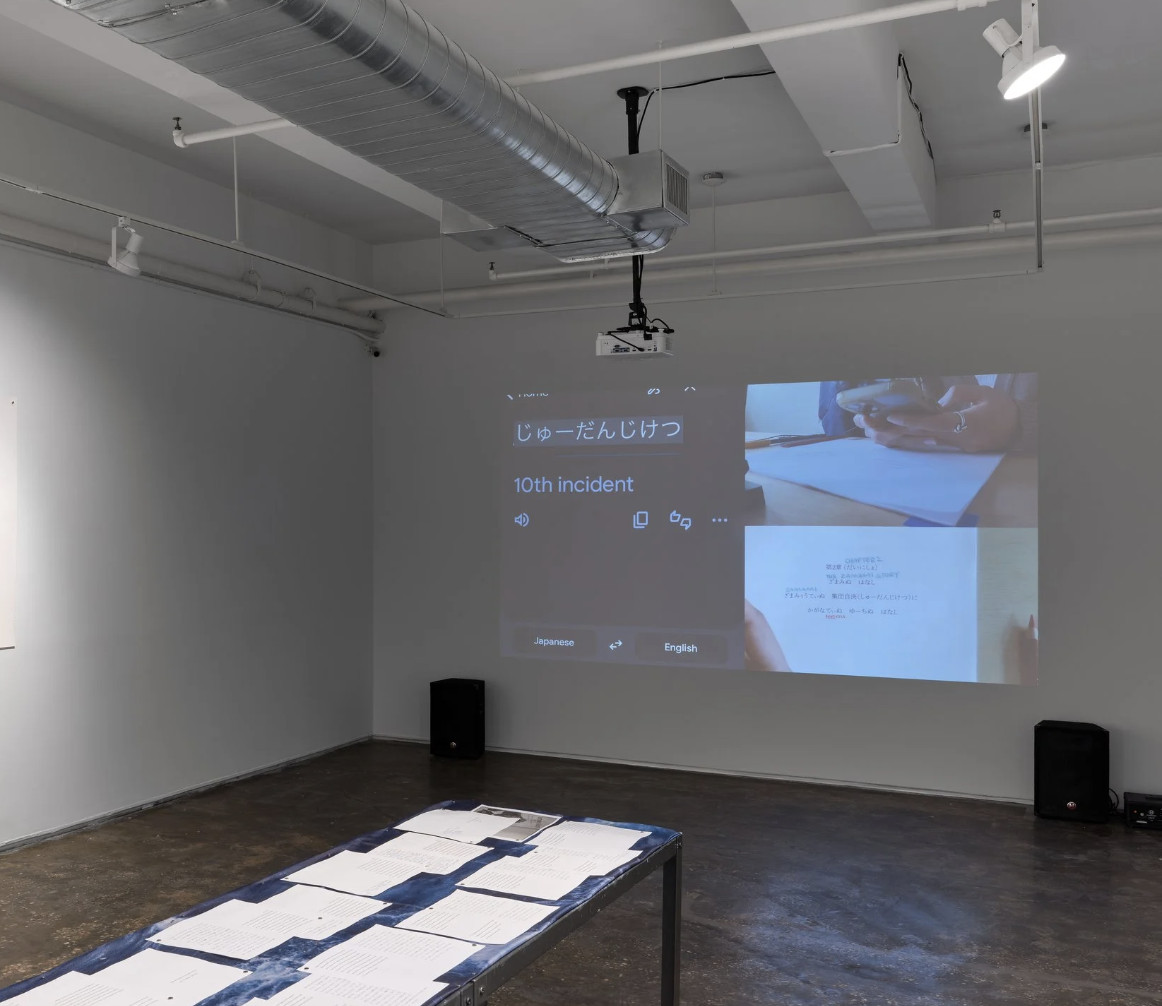
Three artists using text and translation in their works, creating a multi-lingual address that speaks to language lost in diasporic movement, and through forced colonial erasure.
Artists: Sancia Miala Shiba Nash, Aya Rodriguez Izumi, Maya Jeffereis
Theory: Naoki Sakai, TBD
-
Oh Haji